
Identification of metal mixtures in maternal blood and umbilical cord blood of pregnant women residing in Rio de Janeiro, Brazil.

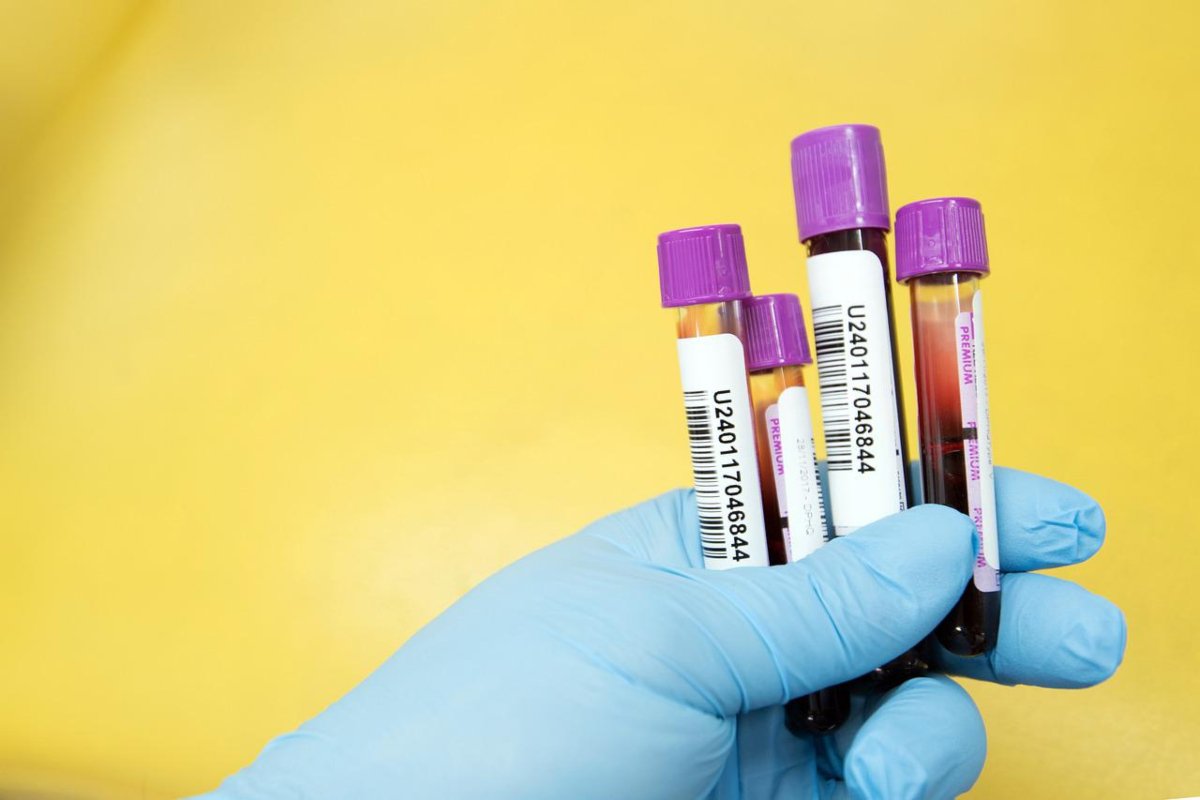
[vc_row mobile_bg_img_hidden=”no” tablet_bg_img_hidden=”no” woodmart_parallax=”0″ woodmart_gradient_switch=”no” row_reverse_mobile=”0″ row_reverse_tablet=”0″ woodmart_disable_overflow=”0″][vc_column mobile_bg_img_hidden=”no” tablet_bg_img_hidden=”no” woodmart_parallax=”0″ woodmart_sticky_column=”false” parallax_scroll=”no” mobile_reset_margin=”no” tablet_reset_margin=”no”][vc_column_text text_larger=”no”]Fetal exposure to metals during gestation can interfere with the development of the conceptus, as these elements are able to cross the placental barrier. Evaluating the interrelationships between serum metal concentrations in mother-infant pairs during pregnancy can help investigate the possible combined effects of these metals on fetal development, birth, and child development. In this context, this study aims to investigate the blood concentrations and combined effects of lead (Pb), cadmium (Cd), arsenic (As), and mercury (Hg) in pregnant women in the third trimester and in the umbilical cord blood of their babies. This study is part of the PIPA project (Childhood and Environmental Pollutant Project), whose pilot study was conducted from October 2017 to August 2018. Maternal and umbilical cord blood samples were obtained from 117 mother-infant pairs and analyzed for metal concentration.
A positive correlation was found between metal concentrations in the mother and in umbilical cord blood (R > 0.7, p < 0.001). This indicates that maternal metal concentrations are able to determine the child's metal concentrations (p < 0.001). Correlations between metal concentrations in maternal blood were positive for all metals evaluated, except for As and Hg. The strongest correlations in this matrix were observed between Cd and Pb (R = 0.471 p = 0.000), Cd and Hg (R = 0.425 p = 0.000), and Pb and Hg (R = 0.427 p = 0.000). Umbilical cord blood correlations were lower compared to maternal blood correlations. Overall, the four metals analyzed showed significant correlations with serum concentrations in both maternal and umbilical cord blood. This highlights the need for further studies to assess the potential effects of early exposure to this combination of metals.[/vc_column_text]
[/vc_column][/vc_row][vc_row css=”.vc_custom_1684508870838{margin-top: 40px !important;margin-bottom: 6vh !important;}” mobile_bg_img_hidden=”no” tablet_bg_img_hidden=”no” woodmart_parallax=”0″ woodmart_gradient_switch=”no” row_reverse_mobile=”0″ row_reverse_tablet=”0″ woodmart_disable_overflow=”0″ woodmart_css_id=”646790bc62ccc” responsive_spacing=”eyJwYXJhbV90eXBlIjoid29vZG1hcnRfcmVzcG9uc2l2ZV9zcGFjaW5nIiwic2VsZWN0b3JfaWQiOiI2NDY3OTBiYzYyY2NjIiwic2hvcnRjb2RlIjoidmNfcm93IiwiZGF0YSI6eyJ0YWJsZXQiOnt9LCJtb2JpbGUiOnt9fX0=” woodmart_box_shadow=”no” wd_z_index=”no”][vc_column css=”.vc_custom_1650294096147{padding-bottom: 20px !important;}” mobile_bg_img_hidden=”no” tablet_bg_img_hidden=”no” woodmart_parallax=”0″ woodmart_sticky_column=”false” parallax_scroll=”no” mobile_reset_margin=”no” tablet_reset_margin=”no”][/vc_column][/vc_row]