
Lack of green spaces increases exposure to heavy metals in newborns.

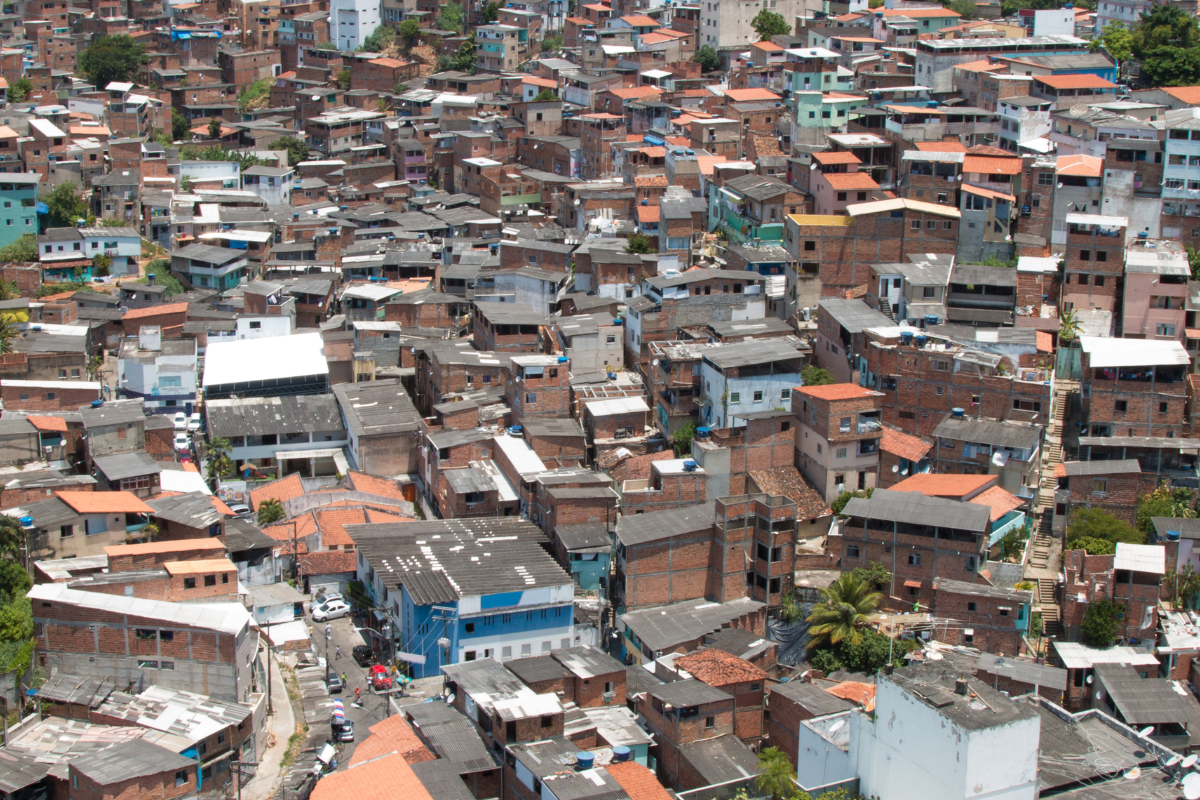
[vc_row mobile_bg_img_hidden=”no” tablet_bg_img_hidden=”no” woodmart_parallax=”0″ woodmart_gradient_switch=”no” row_reverse_mobile=”0″ row_reverse_tablet=”0″ woodmart_disable_overflow=”0″][vc_column mobile_bg_img_hidden=”no” tablet_bg_img_hidden=”no” woodmart_parallax=”0″ woodmart_sticky_column=”false” parallax_scroll=”no” mobile_reset_margin=”no” tablet_reset_margin=”no”][vc_column_text text_larger=”no” woodmart_inline=”no”]A exposição a metais pesados, como chumbo, mercúrio e arsênio, em recém-nascidos está diretamente relacionada à falta de áreas verdes urbanas. A conclusão está em um artigo publicado na revista eletrônica Annals of Global Health, no qual pesquisadores do Projeto Infância e Poluentes Ambientais, the PIPA/UFRJThey detail some of the results of the study, which is being conducted in Rio de Janeiro.
After analyzing umbilical cord blood samples from 778 newborns, it was found that babies whose mothers lived in areas with less green cover during pregnancy had higher concentrations of these metals. This exposure can have adverse consequences for child development, including cognitive and behavioral impairments.
The article, titled “Urban Green Spaces and Newborns Metal Concentrations in Rio de Janeiro, Brazil,” demonstrated that in the central and northern regions of the city, which have fewer green areas per capita, the levels of lead and mercury in the blood of newborns were significantly higher. Furthermore, almost 60% of the participating mothers lived in low-income areas, further exacerbating their vulnerability to exposure to environmental pollutants.
A pesquisa também discute a importância de políticas públicas que promovam o planejamento urbano sustentável, com a criação de áreas verdes inclusivas como medida de mitigação da poluição ambiental. “A disponibilidade de áreas verdes urbanas deve ser vista como um fator determinante de saúde pública”, concluem os autores. Eles sugerem que a falta de áreas verdes pode ser um indicador de vulnerabilidade socioambiental, já que essas áreas desempenham um papel fundamental na filtragem de poluentes atmosféricos e na melhoria da qualidade de vida em áreas densamente povoadas.[/vc_column_text]
[/vc_column][/vc_row][vc_row css=”.vc_custom_1684508870838{margin-top: 40px !important;margin-bottom: 6vh !important;}” mobile_bg_img_hidden=”no” tablet_bg_img_hidden=”no” woodmart_parallax=”0″ woodmart_gradient_switch=”no” row_reverse_mobile=”0″ row_reverse_tablet=”0″ woodmart_disable_overflow=”0″ woodmart_css_id=”646790bc62ccc” responsive_spacing=”eyJwYXJhbV90eXBlIjoid29vZG1hcnRfcmVzcG9uc2l2ZV9zcGFjaW5nIiwic2VsZWN0b3JfaWQiOiI2NDY3OTBiYzYyY2NjIiwic2hvcnRjb2RlIjoidmNfcm93IiwiZGF0YSI6eyJ0YWJsZXQiOnt9LCJtb2JpbGUiOnt9fX0=” woodmart_box_shadow=”no” wd_z_index=”no”][vc_column css=”.vc_custom_1650294096147{padding-bottom: 20px !important;}” mobile_bg_img_hidden=”no” tablet_bg_img_hidden=”no” woodmart_parallax=”0″ woodmart_sticky_column=”false” parallax_scroll=”no” mobile_reset_margin=”no” tablet_reset_margin=”no”][/vc_column][/vc_row]