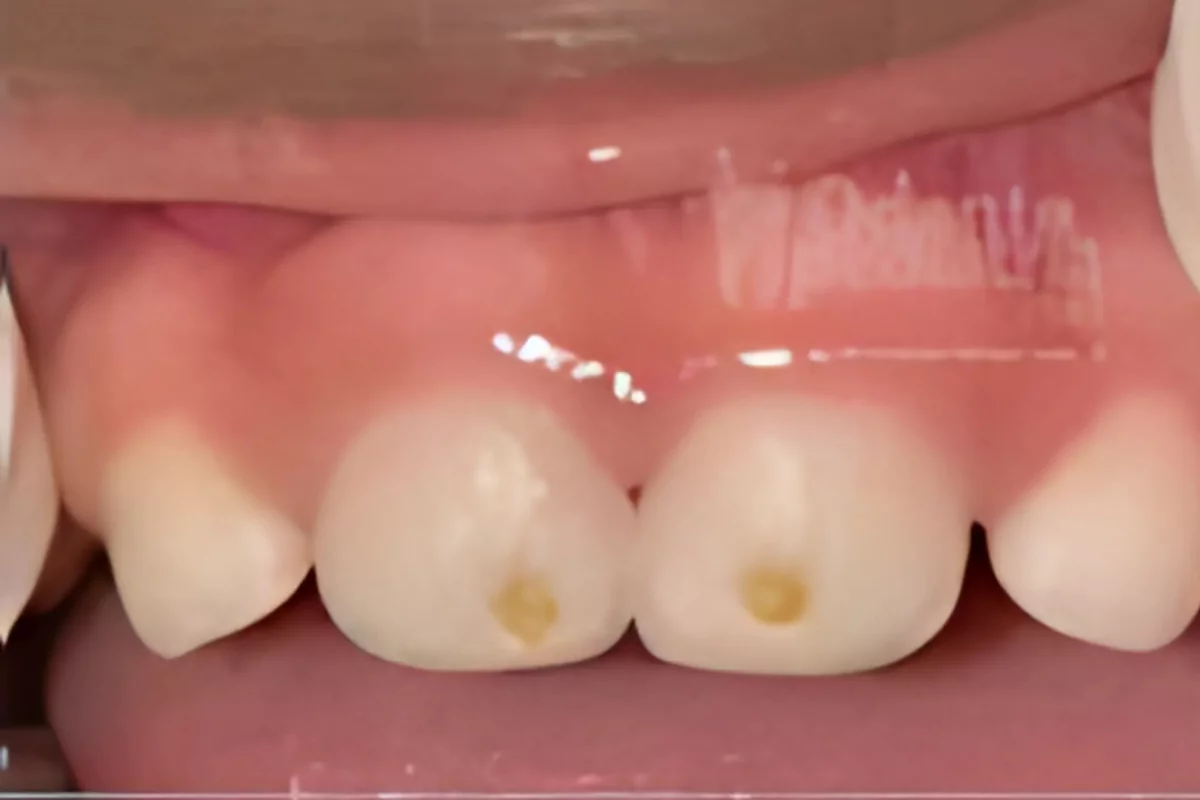
The presence of heavy metals in umbilical cord blood may be associated with alterations in tooth development in early childhood. (In an article published in...) Journal of Trace Elements in Medicine and Biology, researchers from Projeto Infância e Poluentes AmbientaisThe PIPA/UFRJ research group investigated whether levels of arsenic, cadmium, lead, mercury, calcium, and vitamin D in the umbilical cord were related to enamel defects in deciduous incisors—baby teeth.
The work, titled “Cord-blood levels of heavy metals, vitamin D and calcium and the occurrence of development defects of enamel in primary incisors: A birth cohort study”The study evaluated 306 children from the PIPA cohort. Researchers analyzed umbilical cord blood samples and performed clinical dental examinations at 12 and 24 months of age to detect enamel developmental defects. Due to its non-remodeling nature, alterations in enamel during its formation are permanently recorded on the tooth surface. These defects can be of the hypoplasia or hypomineralization type. Enamel hypoplasia can be defined as a deficient amount of enamel, which may occur in the form of depressions, grooves, or larger areas of missing enamel. Hypomineralization, on the other hand, is related to the quality of the enamel and usually manifests as alterations in the translucency or opacities of the enamel, which may be white, cream, yellow, or brown spots (Seow, 1997).
The study found an association between higher levels of lead in the umbilical cord and developmental defects in the enamel of deciduous incisors in children in the cohort. The research reinforces the importance of nutritional and environmental monitoring during pregnancy. Alterations in tooth enamel development not only represent an aesthetic problem, but may indicate a higher risk of developing caries lesions and impact oral health throughout life. The authors also highlight the role of intrauterine exposure to environmental contaminants as a risk factor for alterations in child development.