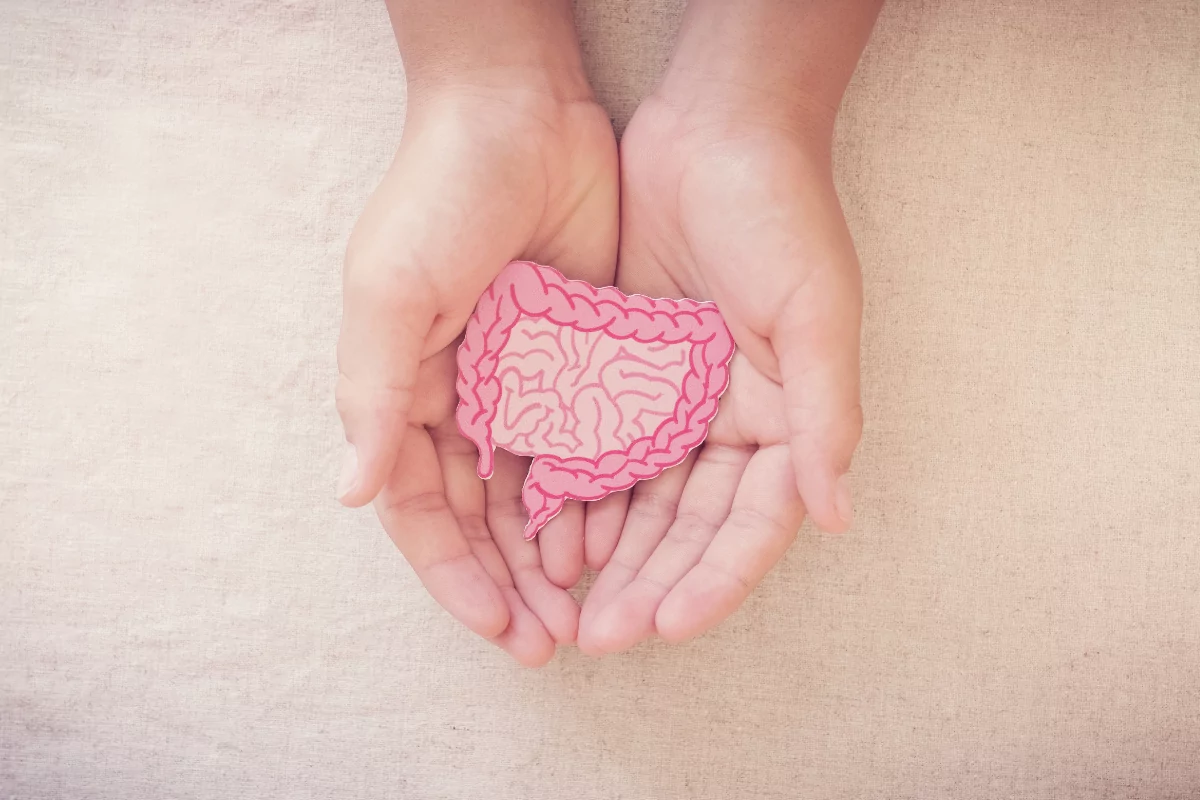
The collection of microorganisms that inhabit the gastrointestinal tract in the first days of life can have a significant impact on child development, especially on socio-emotional skills. (In an article published in the journal...) Nature – Scientific ReportsResearchers from the Childhood and Environmental Pollutants Project, PIPA/UFRJ, investigated the relationship between the bacterial composition of meconium—the baby's first stool—and behavioral development at six months of age.
The work, titled “Early-life gut microbiome is associated with behavioral disorders in the Rio birth cohort”, analyzed meconium samples from 36 newborns and assessed their socio-emotional skills using the Denver Developmental Screening Test II (DDST-II)The methodology involved characterizing this gut microbiome through genetic sequencing, allowing for the identification of bacterial communities present early in life.
The results showed that infants with lower microbial diversity in their meconium had more difficulties in socio-emotional development at six months. Specifically, low microbiome diversity was associated with lower scores in the domain. pessoal-social from the Denver test, which may indicate a higher risk of difficulties with socialization and interaction in the future.
The research reinforces the importance of studies on the relationship between the microbiome and neurodevelopment, suggesting that factors that alter the initial colonization of the gut, such as cesarean delivery and antibiotic use during pregnancy, may have long-term impacts on children's mental and behavioral health.